
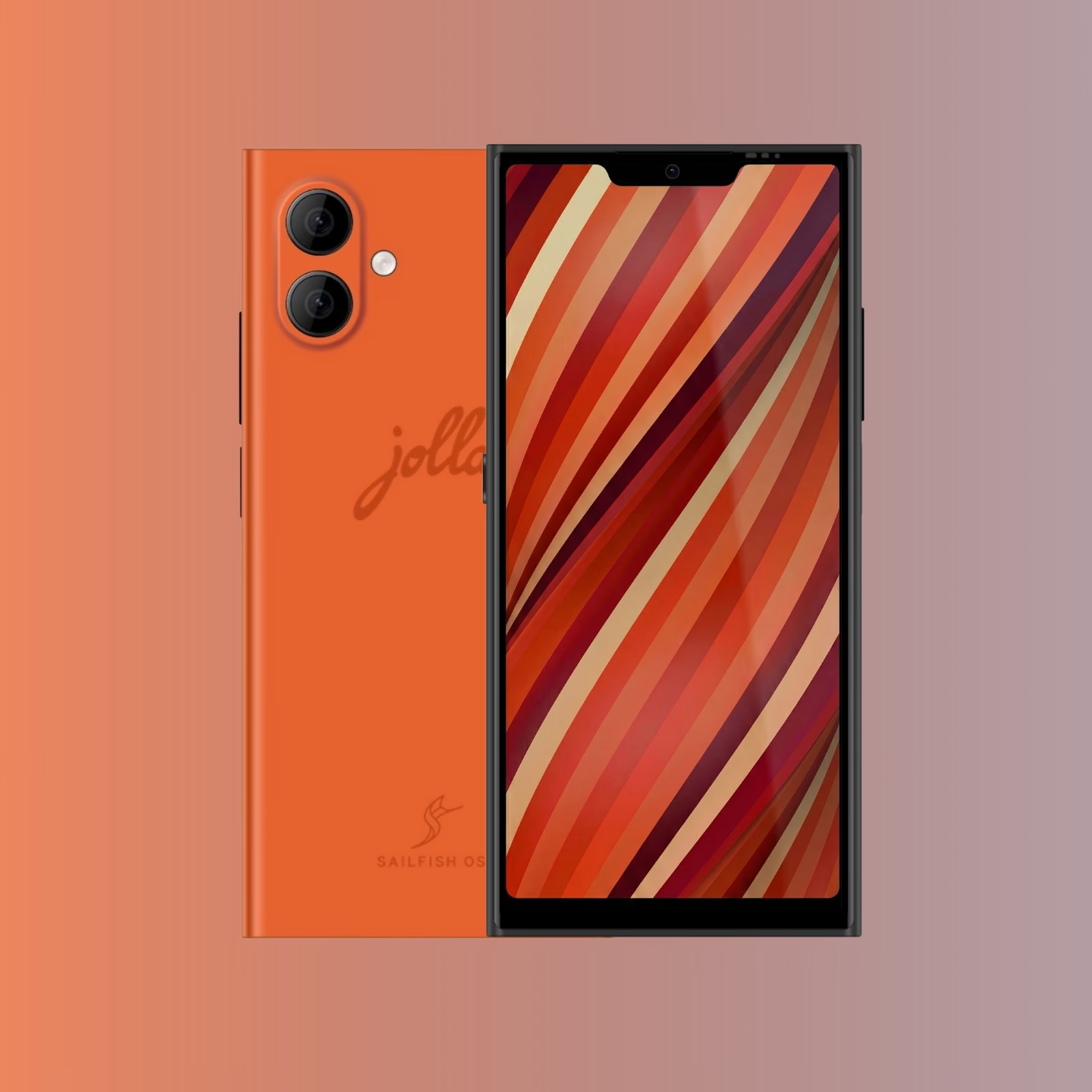
Product images: Jolla · commerce.jolla.com
Every so often a phone arrives that isn’t trying to win the spec war — it’s trying to win a different argument entirely. The new Jolla Phone (Sep‑II 2026) is exactly that: an independent, European, privacy‑first Linux phone from Finland, built on a simple idea — that you should own your device, not the other way around.  🔒
🔒
A genuinely European phone
Almost every phone in your pocket runs one of two American operating systems. Jolla is the stubborn, brilliant exception. The Finnish company has spent over a decade building Sailfish OS — a European, Linux‑based mobile platform that doesn’t depend on Google’s services to function. The 2026 edition leans into that independence with a community‑driven philosophy Jolla calls “Do It Together” (DIT): a phone shaped, repaired and improved by the people who actually use it.
In a market obsessed with sealed glass slabs and annual upgrade cycles, that’s a quietly radical position — and a refreshingly European one.
📱 The Jolla Phone (Sep-II 2026), at a glance
- Operating system Sailfish OS (Linux)
- Android apps Supported & sandboxed
- Designed & built in Europe / Finland
- Google services None by default
- Philosophy Do It Together (DIT)
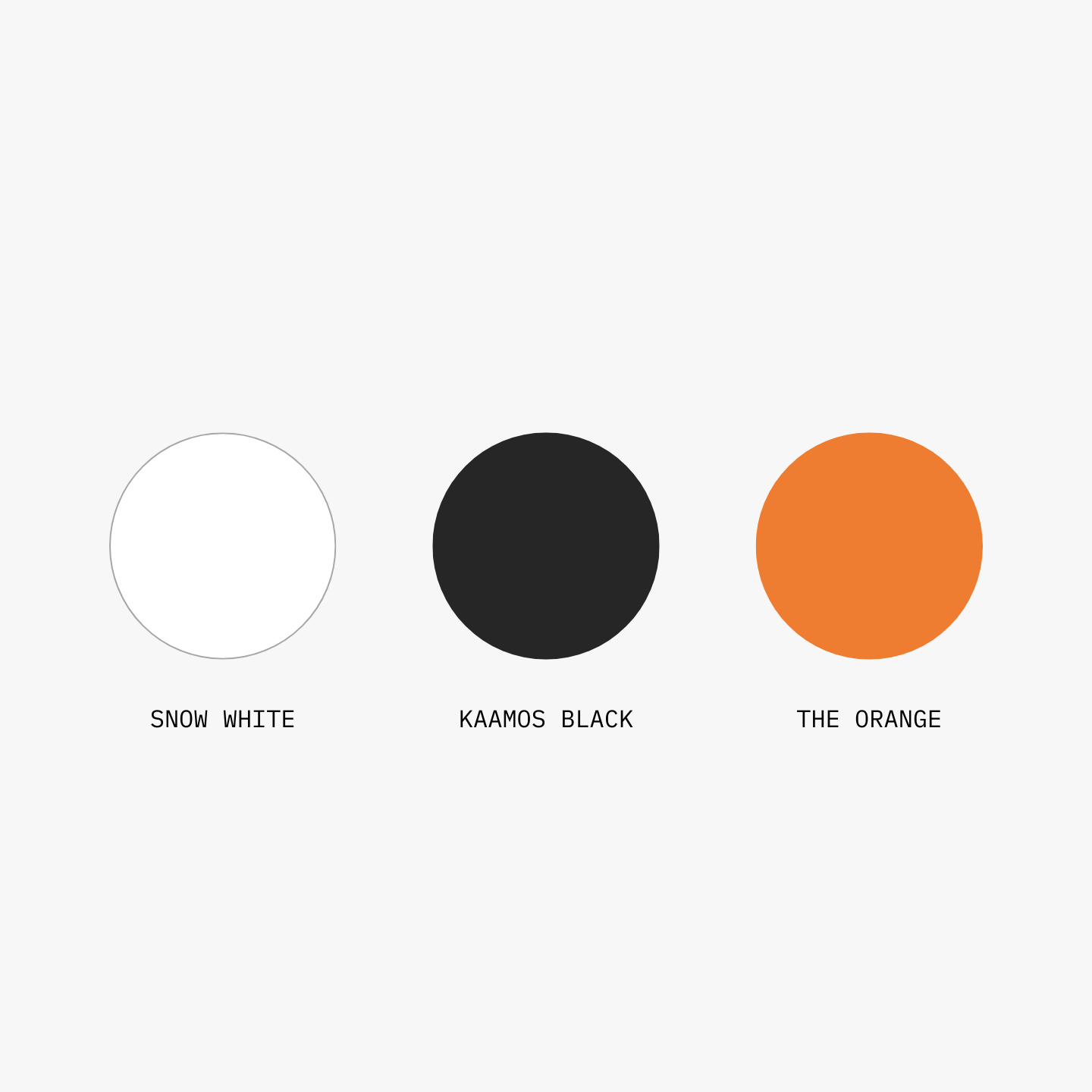
- Colours Snow White · Kaamos Black · The Orange
- Repairability Swappable backs
- Availability Pre-order via Jolla
🔒 Privacy by design, not by settings
Here’s the difference that matters. On a typical phone, privacy is a chore: you spend your first hour switching off ad personalisation, revoking permissions and untangling default sign‑ins. On the Jolla, there’s simply no Google layer to switch off. No account required to boot. No ad ID quietly following you between apps. When you do need an Android app, it runs inside a sandbox — contained, with permissions you control — rather than wired into the heart of the system.
A flagship asks you to trust it. A phone like this asks you to verify it — and actually hands you the keys to do so.
🎨 Repairable, swappable, and yours
The Jolla’s design language is unmistakably its own: clean Nordic shapes, swappable backs and a focus on longevity over disposability. It comes in three colours — Snow White, Kaamos Black and the signature The Orange — and the “Do It Together” ethos means it’s built to be opened, fixed and kept, not landfilled after two years.
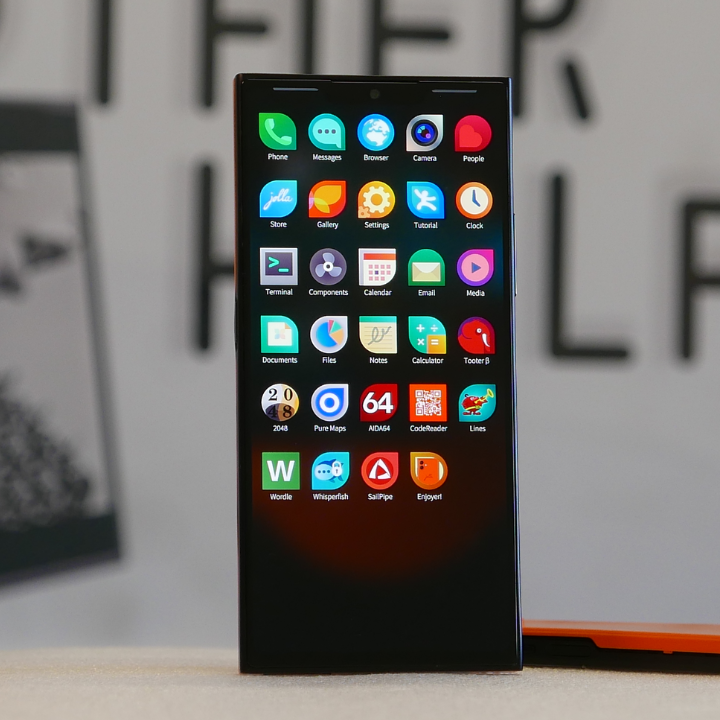
⚡ Should we prioritise privacy over raw power?
Let’s be honest about the trade‑off, because it’s real: a community‑built privacy phone will not top the benchmark charts. It won’t out‑render the latest flagship in a mobile game or crunch AI photo edits in milliseconds. If that’s your priority, this isn’t your phone.
But here’s the question worth sitting with: how much of that raw power do you actually use? For most people, a phone is messaging, maps, email, a camera, a browser and a handful of apps. That work has been comfortably within reach of mid‑range hardware for years. The flagship arms race sells us horsepower we rarely touch — and, increasingly, funds the data‑collection machine that horsepower enables.
- Power you feel every day: a phone that boots without surveillance, holds its value, and you can actually repair.
- Power you mostly don’t: the extra benchmark points that look great in a review and vanish in real use.
Our view? For a growing number of people — and especially anyone uneasy about how much their device knows about them — privacy, repairability and independence are the more valuable kind of power. Not for everyone. But a genuine choice, at last.
✅ Who it’s for — and who it isn’t
A great fit if you value privacy and digital independence, like the idea of supporting European tech, want a repairable phone you keep for years, and your app needs are mainstream. Probably not for you if you need bleeding‑edge gaming or camera performance, or you rely on a specific app that demands deep Google integration.
🧭 Our take
The Jolla Phone won’t be the most powerful device you can buy in 2026 — and that’s rather the point. It’s a phone worth rooting for, because it reopens a question the industry quietly closed years ago: have we been measuring phones by the wrong number all along? Privacy, ownership and longevity are starting to look like the specs that actually matter.
Curious about the other side of the privacy coin? We also dug into Chrome quietly downloading a multi‑gigabyte AI model onto your computer — what it is, and how to switch it off. 🌐
CWA Europe helps privacy-conscious brands build a digital presence that doesn’t compromise on principle — from strategy to execution. Talk to us about your digital strategy.
References & further reading
- Jolla — official product page and announcements for the Jolla Phone and Sailfish OS ecosystem. jolla.com
- Sailfish OS — developer documentation and release notes for the Sailfish Linux-based mobile platform. sailfishos.org
- European Commission — Digital Decade policy objectives and EU technology sovereignty initiatives. commission.europa.eu
Image: original graphic by CWA Europe.
Frequently asked questions
Can I run Android apps on the Jolla Phone 2026?
Yes — Sailfish OS includes an Android compatibility layer (AppSupport) that runs a large proportion of Android apps without modification. The experience is not identical to a native Android environment: apps that rely heavily on Google Play Services may not function fully, and some banking or DRM-protected apps use integrity checks that detect non-Android environments and refuse to run. For mainstream apps — messaging, navigation, streaming, productivity — compatibility is generally solid. Jolla publishes compatibility notes on their site, and the active community forum is a good source for specific app results.
How does Sailfish OS protect privacy compared to Android or iOS?
Sailfish OS ships without Google services by default, which eliminates the most significant vector for continuous background data collection on Android. There is no mandatory account sign-in, no advertising ID, and no persistent cloud sync of device usage. The OS is built on a Linux base with a clearly defined permission model. It is not immune to all tracking — apps you install can still phone home, and your mobile operator always sees call metadata — but the baseline surveillance built into the platform is substantially lower than stock Android or iOS with iCloud enabled.
Is the Jolla Phone 2026 available to buy now, and what does it cost?
The Jolla Phone (Sep-II 2026) is available directly from Jolla's online store at commerce.jolla.com. Pricing and regional availability are listed there; shipping to most European countries is supported. As an independent manufacturer, Jolla does not have the retail channel presence of Samsung or Apple, so the store or authorised resellers are the main purchasing routes. Check the official site for current stock and delivery estimates.
What does the Jolla Phone's repairability mean in practice?
Repairability means the phone is designed to be opened and serviced — Jolla provides repair documentation and sells spare parts, rather than making the device deliberately difficult to disassemble (a common practice among flagship manufacturers). In practical terms: a cracked screen or a worn battery does not necessarily mean a new phone. You can replace common components yourself with basic tools, or take it to a third-party repair shop without voiding support in the way that locked-bootloader policies often do. This is both an environmental benefit and a long-term cost saving.